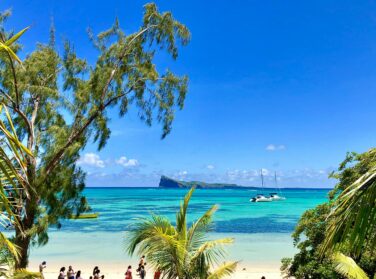
Mauritius enjoys a sunny climate all year round, characterized by two distinct seasons. From the sunny days of winter to the vibrant glow of summer, each season has its own charm! Let’s explore the seasonal nuances of this destination and discover the ideal time for a getaway in this little corner of paradise…
The austral winter from May to September: the island’s gentle way of life
The months of May to October mark the winter season in Mauritius, a particularly mild period. Pleasant temperatures, fluctuating between 18 and 25 degrees Celsius, mark this period as ideal for those who appreciate sunny days with pleasant coolness and mild nights. Surf enthusiasts will be delighted, as this is the optimum time to take advantage of the trade winds, which blow from June to August. Nights are cool and sunshine hours range from 6.45 a.m. to 5.35 p.m. at the height of winter. What’s more, the winter evening sky is magnificent in Mauritius, perfect for stargazing and spotting shooting stars in August.
Southern summer from November to April: the vibrant glow of the warm season
If you are a fan of warmer temperatures and nature’s vibrant splendor, consider visiting Mauritius during the austral summer, which runs from November to April. During this period, temperatures can easily reach 30 degrees Celsius, with a high of around 35 degrees Celsius, offering a true experience of the island’s tropical climate. The austral summer is marked by long hours of sunshine, from 5.30 a.m. to 7 p.m. at the height of the season. Note that heat peaks, combined with high humidity, are felt from December to February, while periods of heavy rain are generally to be expected in February and March. For diving and deep-sea fishing enthusiasts, summer is the ideal time to plan a trip to Mauritius. What’s more, this is the season for tropical fruits such as litchis, mangoes, longans and other local delicacies.
A climate that varies from region to region
Mauritius has a microclimate characterized by regional variations in temperature and climatic conditions. The central part of the island, located on a high plateau, enjoys cooler temperatures and higher rainfall than the coastal areas. A difference of 3 to 5 degrees Celsius can be observed between these two regions. The north and west of the island are characterized by warmer temperatures and drier conditions, while the east is continually exposed to southeast winds, which are particularly intense during the winter season.
In conclusion, choosing the ideal time for a vacation in Mauritius depends on your preferences and interests. Whether you’re looking for the tranquility of the austral winter or the vibrant glow of summer, Mauritius offers a unique experience in every season. For personalized advice and further information on planning your vacation, please do not hesitate to contact your Villa Vie estate agency.