Mauritius, the pearl of the Indian Ocean, is a dream destination for many travellers from all over the world. However, as in many tropical regions, the island is not immune to certain diseases such as Covid-19, malaria, dengue fever, rabies and chikungunya. In this article, we’ll also look at crucial issues such as HIV/AIDS, pollution and drug addiction. We’ll discuss the prevention and awareness measures that are essential for a safe stay in Mauritius.
Covid-19
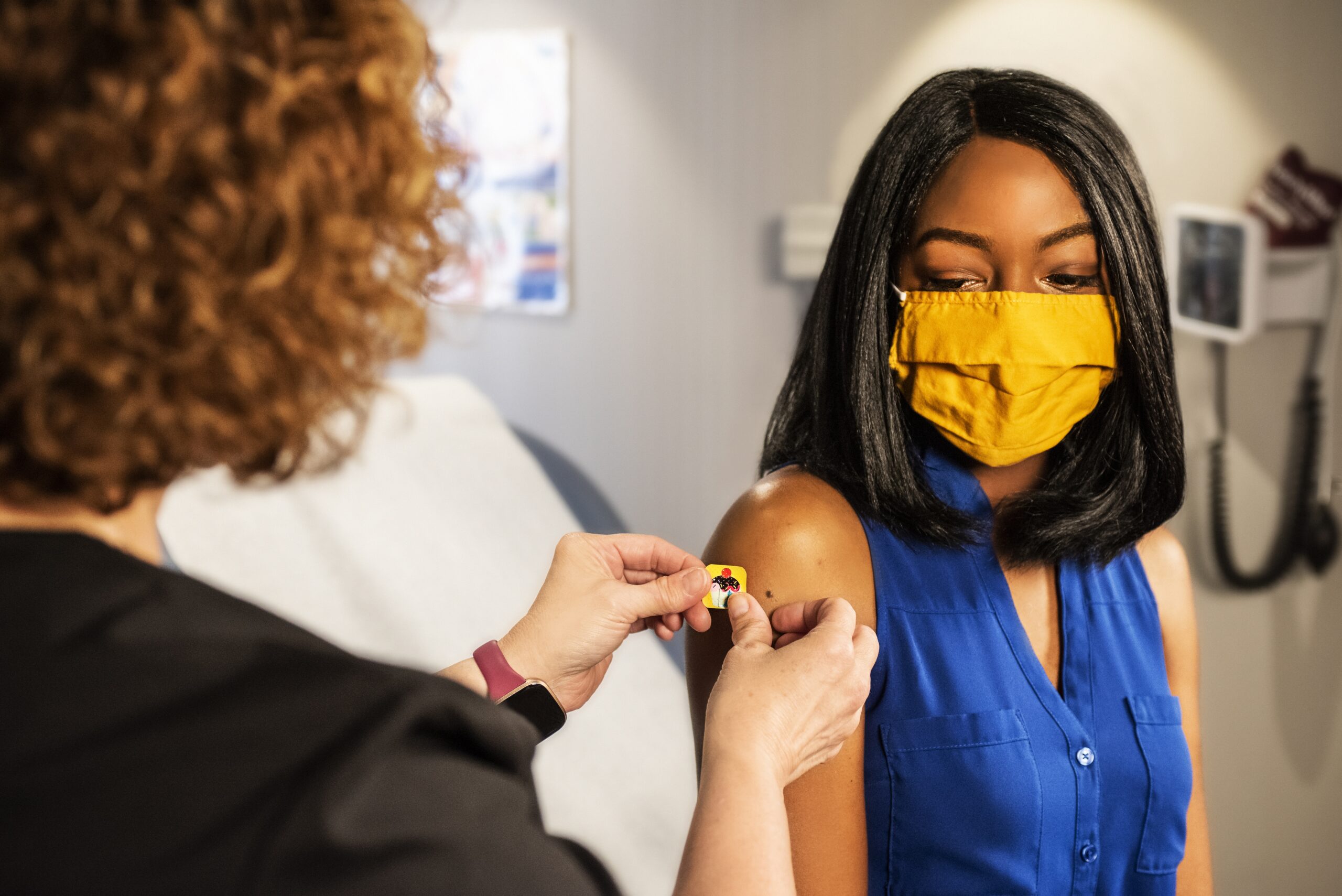
Since the second half of 2022, the Covid-19 pandemic situation has been under control in Mauritius. The country currently ranks second in Africa in terms of vaccination rates, with 67% of the population having received the vaccine. The wearing of masks is no longer compulsory, except in hospitals and retirement homes.
Malaria
Mauritius has been considered malaria-free for several years, which means that there is no ongoing transmission of the disease. However, a few isolated cases have been reported in recent years. These cases are due to individuals having contracted the disease while traveling in high-risk regions and having imported it into the country.
Dengue fever
Dengue is a disease transmitted by infected mosquitoes. Dengue fever is rife in Mauritius, especially during the rainy and high-humidity seasons. To protect yourself, we recommend the use of mosquito repellents, mosquito nets and long-sleeved clothing, as well as monitoring local information on its propagation.
Rage
There are no cases of animal rages in Mauritius. However, it is important to note the presence of many unvaccinated stray dogs and cats. In the event of a bite, it is advisable to be cautious and consult a health professional.
Chikungunya
The last chikungunya epidemic was in 2005/2006. Since then, there have been no cases in Mauritius.
HIV/AIDS
In 2021, the estimated number of HIV cases in Mauritius was 8,440, although this figure may vary considerably, as screening tests are not compulsory, except in the case of blood donation. The needle exchange program was set up in Mauritius in collaboration with the Prévention Information Lutte contre le Sida association to reduce the risk of transmission by injection. It should be noted that no HIV screening test is required for visitors on arrival in the country. However, to obtain an Occupation Permit, an HIV-negative certificate is required, and this test must be carried out in Mauritius.
Pollution
Despite its exceptional natural beauty, Mauritius faces a number of pollution-related challenges. Air pollution, mainly due to industry, road traffic and burnt waste, is a cause for concern. Beaches and coastal waters are also affected by pollution, due to the presence of plastic waste in the oceans. The system for collecting and treating domestic waste is not yet efficient enough to cope with the growing population due to tourism and new residents.
Drug addiction
Recent statistical reports on drug addiction in Mauritius give cause for serious concern. The authorities are reporting a worrying increase in the number of people addicted to hard drugs such as opium, cocaine, medicines and even softer drugs such as cannabis. Substitution drugs are also a major problem, having been implicated in various trafficking operations, with several traffickers apprehended by law enforcement agencies. It is essential to stress that all substances, including non-legalized soft drugs, are strictly prohibited in Mauritius.
Mauritius offers a unique travel experience, but it’s important to be well-prepared to stay healthy and prevent possible dangers. By following the advice of the local health authorities, taking appropriate preventive measures and remaining aware of the risks, you can safely enjoy your stay on our beautiful island.
Please note that the above information is subject to change. So consult local sources for the most up-to-date information before planning your trip. With foresight and responsibility, you can enjoy a safe and memorable experience in Mauritius.